The seven pillars of arthritis treatment
Innovative method for prevention

Symptoms
When the joints wear out, the first symptom is discomfort on exertion. As the disease progresses these symptoms become more frequent, even during everyday activities. Morning stiffness and so-called start-up pain are typical of arthritis. These pains occur with the first movements after rest. After taking a few steps the pain subsides.
Night-time pain and related sleep disturbances occur as the disease progresses, with painful and painless phases alternating over a long period of time. Gradually, an excruciating continuous pain develops. The symptoms often worsen in cold and damp weather conditions and during physical exertion.
Causes
Severe stress due to hard work, excessive sport, high body weight, environmental factors, heredity, but also metabolic disorders such as gout or diabetes: all these factors may contribute to the development of arthritis and play a role in its development or its severity. Joint injuries can be a cause too, because even the smallest injuries can damage the cartilage and lead to the disease, which is common in about one third of all cases. Above all, however, the development of arthritis is triggered by acute or chronic inflammations of the joint. Depending on the cause, a distinction is made between two forms: primary arthritis and secondary arthritis.

Lorem ipsum dolor sit amet, consectetur adipiscing elit. Ut elit tellus, luctus nec ullamcorper mattis, pulvinar dapibus leo.
What Is Osteoarthritis?
Arthritis is one of the most common joint diseases worldwide…
What is arthritis?
Arthritis is one of the most common joint diseases worldwide. It owes its name to the Greek “arthros”, which means joint. Specifically, arthritis is a disease of the joint cartilage in which the natural balance between cartilage formation and cartilage degradation is disturbed.
This results in progressive cartilage wear, which is often associated with very severe pain for those affected. The more damaged the affected cartilage, the more severe the symptoms and the greater the deformation of the joint even leading to complete loss of functioning.
However, arthritis is not simply an age-related wear-and-tear condition. The disease is primarily caused by long-lasting inflammatory processes that are often not noticeable at first. These lead to the cartilage receiving too few nutrients which it needs to be able to fulfil its main functions. Therefore, vitamins, trace elements and other substances play an important role in cartilage health: they can help to increase the cartilage mass, counteract its degradation and even regenerate it.
Wear of the joints often begins around the age of 45, initially without symptoms. However, the symptoms become more frequent between the ages of 50 and 60: among the over 60s, one in two women and one in three men have to struggle with this disease, and from the age of 65 onwards almost everyone, male or female, suffers from arthritis.

Symptoms
When the joints wear out, the first symptom is discomfort on exertion. As the disease progresses these symptoms become more frequent, even during everyday activities. Morning stiffness and so-called start-up pain are typical of arthritis. These pains occur with the first movements after rest. After taking a few steps the pain subsides.
Night-time pain and related sleep disturbances occur as the disease progresses, with painful and painless phases alternating over a long period of time. Gradually, an excruciating continuous pain develops. The symptoms often worsen in cold and damp weather conditions and during physical exertion.
Causes
Severe stress due to hard work, excessive sport, high body weight, environmental factors, heredity, but also metabolic disorders such as gout or diabetes: all these factors may contribute to the development of arthritis and play a role in its development or its severity. Joint injuries can be a cause too, because even the smallest injuries can damage the cartilage and lead to the disease, which is common in about one third of all cases. Above all, however, the development of arthritis is triggered by acute or chronic inflammations of the joint. Depending on the cause, a distinction is made between two forms: primary arthritis and secondary arthritis.
Primary arthritis
This form of arthritis is mainly due to genetic causes or hereditary predisposition and often starts from the age of 45. Even years of light sport or housework can cause this type of arthritis, which does not occur in people without genetic predisposition when they carry out similar activities.
Secondary arthritis
Contrary to to primary arthritis, in secondary arthritis it is possible to identify certain factors that adversely affect or cause joint wear, for example lifestyle, overweight, unfavourable posture, congenital deformities such as knock knees, bow legs or hip dysplasia, heavy physical work or constant stress. All these factors can be responsible for the development of this form of arthritis. Certain sports such as excessive jogging and some extreme sports can also lead to joint inflammation and ultimately to cartilage breakdown. Although secondary arthritis can affect anyone, it also gives those affected the opportunity to take protective measures against the disease, for example by reducing their body weight and adopting a healthier lifestyle.

Types of Arthritis
Although arthritis can occur in any joint of the body, it’s most likely to affect the knee, the hip and the shoulder. Other joints such as the spine, finger, toes and ankles can be affected by arthritis, too.
Knee arthritis
Knee arthritis (the medical term is gonarthritis) is the most common form of arthritis and mainly affects older people close to retirement age. In early stages of the disease, the people affected may feel non-specific pain, for example when standing up, or have a feeling of warmth or slight swelling in the affected joint, all symptoms that indicate inflammation of the joint. As the illness progresses, it can manifest itself with start-up pain, increased stiffness, loss of stability and increased sensitivity to damp and cold weather.
In addition, the leg becomes weaker and a knee joint effusion can appear. Other symptoms include crunching and cracking sounds when the knee moves, pain when climbing stairs and walking on uneven ground, pain behind the kneecap after sitting for long periods of time, discomfort when carrying heavy objects. The pain becomes more severe and frequent as the disease gets worse, and the knee gradually loses mobility. At this point, the cartilage is often more or less destroyed.
Hip arthritis
Hip arthritis, also called coxarthritis, is mostly due to secondary arthritis and also generally appears at retirement age. Excessive weight is considered to be the main risk factor, other triggers are unfavourable posture, inappropriate load distribution and overstraining due to sport and heavy physical work.
At the beginning of the disease, there are often uncharacteristic signs of fatigue, such as a feeling of heaviness in the legs after exertion, and radiating pain is not uncommon. Another typical symptom is limping, in which the affected person stands for a shorter period of time on the damaged leg during movement. About one third of those affected also suffer from severe knee pain. A difference in the length of the leg can also often be seen, caused by the shortening of the muscles around the joint.
Arthritis of the metacarpus and the wrist
Radiocarpal arthritis, i.e. arthritis of the carpometacarpal joint and the wrist joint, is extremely common and usually a form of secondary arthritis caused by stress. In women, wrist arthritis accounts for almost half of all joint diseases. Other causes include bone fractures that destroy the joint surface or tears in the ligaments between the carpal bones which compromise the harmonious movement of the bones.
Rheumatism is also known as a cause. In radiocarpal arthritis, patients initially suffer from painless movement restrictions, but pain of varying intensity develops in the later stages. Sensitivity to the weather, especially cold wet weather, and swelling are common symptoms, too. As with all secondary forms, in radiocarpal arthritis the joint inflammation can last for a long time before the actual cartilage damage occurs.
Finger arthritis
This is one of the most common diseases of the finger joints. Women suffer from it more often than men, especially after the menopause. Finger arthritis usually affects both hands or middle joints, and can also lead to the formation of nodules. This form of arthritis often appears in a combination with arthritis of the thumb basal joint. Finger arthritis often manifests itself in a marked sensitivity of the fingers to cold; in addition, the cosmetically disturbing aspect caused by the formation of lumps lies in the foreground.
Shoulder arthritis
The cartilage surface of the shoulder joint can also wear down, but shoulder arthritis, or omarthritis, rarely occurs because the shoulder, unlike hips and knees, has to bear a lighter load. The symptoms begin insidiously: the first warning sign is rapid fatigue during overhead work. In the advanced stages, swelling, constant pain and pain at rest are typical. The feeling of stiffness of the joint and limitations in general mobility indicate severe arthritis of the shoulder joint. Omarthritis is usually caused by severe injuries to the ligamentous apparatus that is supposed to protect the shoulder joint or even a fracture of the humeral head.
Arthritis of the spine
Arthritis of the spine, also called facet syndrome, occurs mainly in older people. Sport induced injuries, heavy work and overweight are well-known triggers of the disease. Recurring intervertebral disc problems are considered a risk factor, too. Typical of this form of arthritis is severe pain in the lumbar region, which often cannot be assigned locally. The pain usually intensifies during the day and after physical exertion and improves when lying down. Back pain often radiates to the legs, the abdomen or the buttocks, as this form of arthritis is often accompanied by nerve irritation.
Progressive forms
Arthritis has many faces: it begins insidiously, usually with the slow development of mild inflammation and superficial cartilage damage that is hardly noticeable. In a later stage of the disease, however, the continuous deterioration of cartilage leads to joint instability and severe pain, caused by the strong inflammation and by the exposed bones rubbing against each other.

In latent arthritis, those affected have no complaints, inflammations cannot be detected and any changes to the cartilage can only be seen through X-rays. The symptoms of dormant arthritis are a little different: mobility is increasingly reduced, with feelings of tension in the joint as the inflammation slowly progresses and the joint capsule slowly stretches. Grinding and rubbing noises in the joint may also occur. The pain often only appears in response to changes in the weather.
In this phase, the joint is already severely inflamed, the joint space is stretched and the cartilage surfaces are damaged several times, which causes a number of complaints, such as swelling and overheating of the joint, with redness also possible. Even at rest, it is possible to feel intense joint pain because the joint capsule is severely stretched, which leads to persistent pain.
As the disease progresses, the range of motion reduces significantly. In this stage of the disease, the problem affects the entire joint apparatus. In addition, the joints become unstable. The cartilage damage is very advanced here, so that the bones are partially exposed, rubbing against each other and causing constant pain. This results in an increasing incorrect load distribution on the joint, which leads to an intensification of the arthritis.
In this phase, there are severe deformations of the affected joints. Bony nodules can appear at the former cartilage edges. These bony changes are extremely painful and make any movement of the affected areas almost impossible. If left untreated, this condition may also lead to the joint bones growing together, resulting in a complete loss of mobility.
Treatment options
The main aim of a cause-related osteoarthritis therapy is always to reduce inflammation, relieve pain, restore mobility and slow down the progression of the disease.
There is a wide range of treatment options, from conservative to surgical procedures, as well as alternative treatments. Not all of them have proven successful, and some also cause side effects. What the latest findings show: certain substances can make an important contribution to cartilage health and have a very positive effect on many arthritis complaints, without undesirable side effects.
Learn more about treatment options
The seven pillars of arthritis treatment
Innovative method for prevention
This innovative method for the prevention and treatment of arthritis is based on seven pillars which are complementary to one another and have a clear goal: minimize the risks and the causes of arthritis, alleviate your discomfort, reduce your pain, support your mobility and thus improve your quality of life again.
Beside the use of the body’s own substances such as glucosamine, chondroitin and hyaluron as well as several other micronutrients, the treatment foresees a healthy diet, conscious weight control and moderate exercise. It is effective and simple at the same time and can, of course, also be used as arthritis prevention.
Before starting the programme, you should consult your doctor to discuss your plan in detail. Please do not self-diagnose! On the contrary, rely on the expertise and experience of your specialist and your family doctor, who will advise you and answer all your questions.

Take the most important vital substances
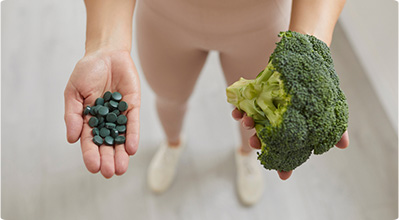
Sufficient supplementation of glucosamine, chondroitin sulphate and hyaluronic acid forms the core of the 7-step programme. Make sure you take the right dosage, which depends on your body weight and on the level of pain. It is best to take the substances together with your meals, ideally in two portions. It is also recommended to take vitamin C and manganese, as these two substances increase the effectiveness of glucosamine, chondroitin sulphate and hyaluron and thus have a favourable effect on the joint functions. Other vital substances that could be supplemented are zinc, MSM and resveratrol.

Improve your biomechanics
Every movement of the body is based on mechanical forces impacting on the joints. A biomechanical assessment of your movement patterns is therefore extremely important to provide you with information about how you use your joints, what kind of over-exertion you are exposed to and whether something in your movement behaviour could promote the development of arthritis. Experts in osteopathy and orthopaedics as well as sports and exercise therapists are the right people to talk to in order to assess your biomechanical problems and correct them if necessary.

Move
For a long time, doctors thought that sport aggravated arthritis and even advised against it. Wrong! On the contrary, individually adapted sport is a very important factor for the health of your joints. Exercise supports the activity of the cartilage sponge, strengthens the joint structure and reduces the pressure to which the joint is exposed, alleviating the pain. Exercise also helps the joints to produce synovial fluid, which acts as a lubricant and ensures smooth movement. This fluid also contains all the important nutrients that nourish the cartilage and maintain the protective coating of the joint surfaces.
If you hardly move at all, you lose tension, flexibility and strength of the muscles, the joints become immobile, the bones become thinner, while the cartilage softens. The result: arthritis progresses rapidly and worsens visibly. Therefore, you should incorporate regular exercise into your life. You will not only improve your general health, but also actively influence the progression of arthritis.
Recommended sports
for arthritis
Scientific studies have shown that regular exercise reduces the frequency and intensity of pain. It is important that you do some kind of moderate physical activity.
Sports that allow moderate movements and do not put too much strain on the joints are therefore recommended, for example endurance sports such as swimming, cycling, walking and aqua-jogging. Strength exercises also have a positive effect because they build up muscles and thus relieve and support the joints. On the other hand, sports with an increased risk of injury, such as volleyball, squash, football, tennis and handball, have a rather unfavourable effect on the joints.
Please note: The type, duration and intensity of the respective sport activity depend on various factors, such as the course of the disease, the affected joints and possible pain that occurs during physical activity. It is best to practice sporting exercises under professional guidance. Consult your doctor or physiotherapist for help in developing a training plan tailored to your needs.

Simple to do, but very effective, walking stimulates blood circulation, burns fat, strengthens the bones in your hips and legs and the muscles in your lower extremities and back, improves heart circulation and the general condition of your body. In addition, brisk walking has a very low impact on your joints. It is important that you choose the right pace. The golden rule: neither too fast nor too slow; talking without gasping for breath should still be possible, but not singing.
Biking is even more gentle on the joints than walking. In fact, it strengthens the thigh muscles and the postural muscles, which helps to produce more joint fluid. Biking is especially recommended for patients with knee problems.
Water sport activities have many positive effects, because they can train endurance and strength without overloading the joints. Furthermore, they reduce pain and relax the muscles. Posture and coordination also improve without putting too much strain on the heart. Crawl and backstroke are recommended at a water temperature of approximately 30°C. Breaststroke, on the other hand, is unfavourable for the cervical spine. Aqua-jogging is very suitable for arthritis patients with knee problems.
Eat consciously
A healthy diet is particularly important for arthritis patients. This is another essential factor of the 7-pillar programme. Some foods can have a positive effect on the development of arthritis thanks to their nutrients. They also help to reduce inflammation and are even able to stimulate cartilage renewal and alleviate pain.

Antioxidants against free radicals
Free radicals attack healthy tissue and are a contributory cause of many diseases, such as cancer, cardiovascular diseases and arthritis. It is therefore important to fight these free radicals, which is best done with so-called antioxidants. They help to fight inflammation and are contained in many foods.

Vitamin A and carotenoids
Carotenoids are found mainly in green vegetables such as spinach, parsley, broccoli or carrots, or in fruits such as water melons, mangoes, papayas and oranges. On the other hand, fish, milk, cheese and liver are good sources of vitamin A.

Vitamin C
Fresh citrus fruits as well as vegetables such as potatoes, peppers, broccoli or Brussel sprouts and leaf cabbage contain particularly high levels of vitamin C. By the way, it is best to eat these fruits and vegetables raw, because the cooking process destroys the vitamin C they contain!

Vitamin E
Vitamin E is important for cell protection. Good sources of vitamin E are vegetable oils such as safflower oil, sunflower oil, olive oil and wheat germ oil, as well as nuts, seeds, avocados, soybeans, butter, eggs and fish. Ideally, vitamin E should be combined with vitamin C, as they strengthen each other’s effect.

Selenium
The trace element selenium also provides cell protection. It is found in foods such as cereals, dairy products, meat and sausage, but also in fish and beverages such as beer. By the way, Brazil nuts are among the best sources of selenium.

Flavonoids
Flavonoids slow down inflammatory reactions, prevent free radical damage, strengthen joints and protect collagen from destruction when joint tissue has become inflamed. Flavonoids also accelerate healing from sports injuries. They are found, for example, in citrus fruits, berries, onions, stone fruit and green tea, as well as in whole grains. It is recommended to have at least one meal per day that contains flavonoids. They can also be supplied with the help of food supplements.

Boron
Boron is another important mineral which is found in vegetables such as cauliflower and apples, which by the way are best eaten with their skin. Boron has a positive effect on arthritis because it supports the health of the joints and prevents certain cells from secreting radicals. In general, arthritis sufferers should eat 5 portions of fruit and vegetables spread over three meals per day, fresh or undercooked.

Spices and herbs
Certain herbs and spices also have an anti-inflammatory effect. These include, for example, oregano, parsley, fennel, dill, turmeric, coriander, rosemary, aniseed, mint, chervil, ginger, marjoram, thyme as well as cinnamon and chilli. Onion, leek and garlic also serve as cartilage protectors and slow down osteoarthritis.

Teas
Green tea has an anti-inflammatory effect and relieves arthritis pain. Alkaline herbal teas and tea blends, for example aniseed, caraway, fennel and liquorice, are very effective in supporting the de-acidification process of the body.
Fatty acids against
inflammation
Fatty acids also have a positive influence on the disease. Especially in the advanced stages, arthritis patients often suffer from inflammations that can cause severe pain. Certain fatty acids are able to reduce these inflammations naturally and alleviate the symptoms.

Omega-3 fatty acids
Omega-3 fatty acids are among the most effective natural inflammation fighters and can be found in large quantities in cold-water fish such as mackerel, salmon, sardines, herring, tuna and anchovies. 30 grams a day are enough to reduce inflammation. By the way, omega-3 fatty acids can also be taken in the form of fish oil capsules.

Beware of arachidonic acid:
Arachidonic acid is considered the main cause of diet-related inflammation, which can lead to heart disease, hardening of the arteries or strokes. Arachidonic acid, one of the best-known omega-6 fatty acids, is found almost exclusively in animal products, including meat, sausage, lard, butter and egg yolks. Even though omega-6 fatty acids are necessary for many processes in the body, patients with arthritis should avoid excessive quantities of these animal fats if possible, as they can promote inflammation and make the pain even worse.
A tip: make sure that the ratio of omega-3 to omega-6 is below 1:5.
Watch your weight
Research has clearly shown that arthritis and obesity are closely linked. Weighing too much not only puts a strain on the body, but also on the joints, which have to bear a greater weight and thus also wear out more quickly. Especially for the knee and hip joints, being overweight is a risk factor for the development of arthritis. It is therefore important to watch your body weight and change your diet. You can slow down the progression of the disease and alleviate many complaints. It is shown that fasting arthritis patients need fewer analgesics.
Balanced diet and sport
Meals that are low in meat and rich in antioxidants are especially recommended for arthritis patients. If you want to reduce your weight, it is best to focus on a low-fat, a nutrient-rich diet and regular exercise. Avoid bad fatty acids, say goodbye to abstruse diets and choose a balanced nourishment. If you have any questions, consult an expert who will prepare a diet and exercise plan tailored to your individual needs.
Stimulants form acids
Drink at least 1.5 to 2.0 litres of water or unsweetened tea per day. Avoid caffeine, alcohol, nicotine and high amounts of sugar, all of which can have an unfavourable effect on the course of the disease. The reason: they are high in the formation of acid and promote the development of arthritis by producing waste products. These, in turn, can accumulate in the connective tissue, the blood vessels and the joints and disrupt important metabolic processes for building up cartilage mass.
Fight depression
Depression is a common side effect of arthritis, which manifests itself in lack of interest, insomnia, negative thoughts, feelings of hopelessness, lack of energy, irritability and a clouded mood. In the worst cases, suicidal thoughts also occur. Since depression only makes your pain worse, developing a positive attitude is an essential factor of the 7-pillars programme.

What can you do
Get help:
In most cases of depression, psychotherapy and/or medication are recommended, often in combination. Self-help groups can also be helpful. Sometimes it is enough to join a running group, with several immediate effects: exercise with its positive effects and social connection for the mind.
Sleep:
Make sure you get enough sleep, at least 7 hours, as this is an excellent defence against stress and depression. Try to go to bed at the same time every day and always get up at the same time in the morning. It is recommended to eat the last meal about 3 hours before bedtime, avoiding heavy foods and alcohol. In this way, nothing will stand in the way of a restful, healthy sleep.
Stress:
Reduce stress, as it can cause depression or make it worse. It affects the perception of pain and the risk of other diseases, such as cardiovascular disease, increases dramatically.
Conventional drugs,
only if absolutely necessary
Even though cartilage substances such as glucosamine, chondroitin and hyaluron should be the first choice in arthritis treatment, it is sometimes unavoidable to take medication, especially in very severe cases or in phases of severe pain. Under certain circumstances, surgery may represent the best choice. In this case, it is essential to take the joint protectors mentioned above in order to remain as mobile as possible until the operation. By taking them, you promote cartilage formation, which is important for your rehabilitation phase after surgery.
Prevention
Do you want to prevent arthritis? Perhaps because one of your closest family members suffers from this disease? Or because you are exposed to heavy physical effort at work? We have some tips for you.